A few months ago, I conducted research on gender misinformation about female environmentalists. In this process, I spoke with representatives from both large and small initiatives.
One thing that particularly caught my attention was the perspective of women involved in small communities. Almost all of them reported not having experienced any instances of gender misinformation. They explained that it is quite challenging to spread gossip about them or to target them as women because everyone in the village knows them personally; they know whose granddaughter, daughter, mother, or wife they are.
Small communities also tend to assign women the role of easing and containing potential tensions during public events. While this might initially seem positive, it ultimately reinforces the social norms that confine women, both in men’s perceptions and in the eyes of women themselves.
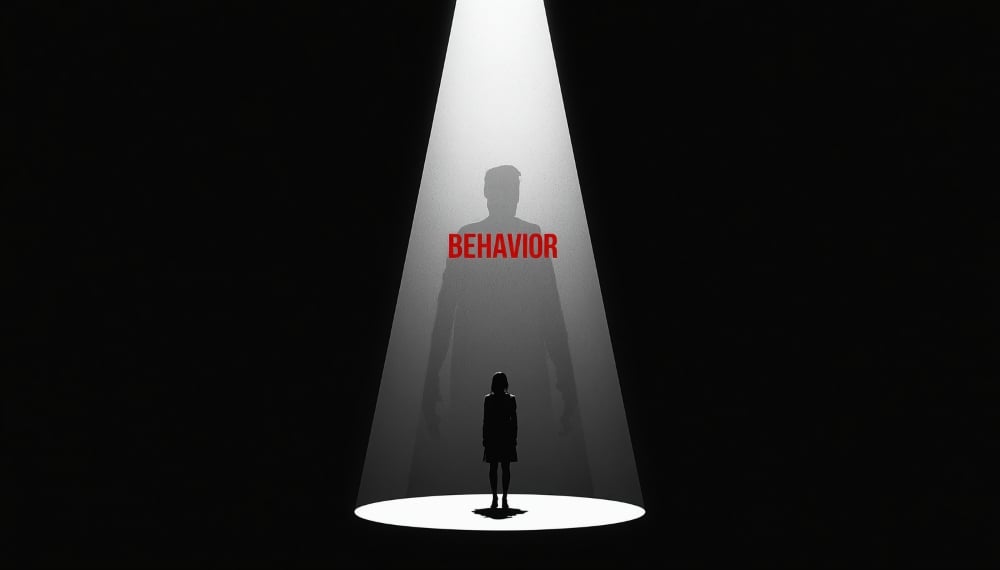
Women often have an unspoken understanding of what actions are permitted or forbidden, recognizing that certain boundaries should not be crossed, because “the community will not accept it.” This is rarely articulated explicitly; rather, it is ingrained as a rule that is not meant to be broken.
American anthropologist Robert Levine notes, in the context of conflict studies, that “in small communities, there is little or no need for punitive measures. Good behavior is largely the result of habit, shaped by upbringing from early childhood under specific conditions.” Indeed, in patriarchal, stereotype-driven communities, women tend to regulate their behavior so as not to give rise to gossip. Being someone’s granddaughter, daughter, wife, or sister imposes a form of social constraint, discouraging self-expression that might make one a target. This manifests in self-censorship, self-restraint, and adaptation to prevailing cultural norms.
It is indeed true that spreading gender misinformation and targeting women in small communities is difficult. However, this is not necessarily due to society’s positive view of women’s activism. In reality, each woman sets her own boundaries for her activism while still adhering to social norms. This is important because not only will they face backlash, but others related to them, particularly men, may also be affected. Such behavior is often deemed unacceptable in the community.