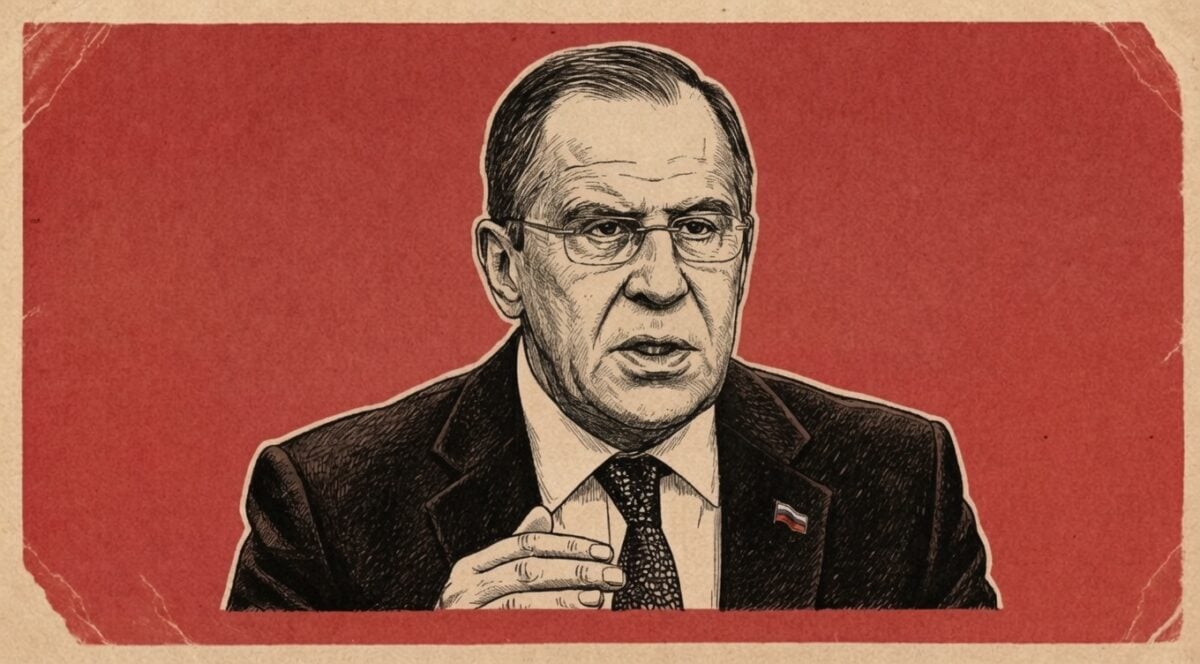
“In Baku’s prisons, they are fighting for Armenia’s independence, for Armenia’s sovereignty, and yes, they will forgive us for remaining in captivity one or two months longer,” Nikol Pashinyan declared in Armavir on June 7, 2021. It was the middle of the election campaign. One particular sentence from that speech, the remark about remaining in captivity for one or two extra months, continued to circulate and reached all the way into the 2026 elections.
Over the past five years, more than 150 prisoners of war have returned from Baku. However, the issue of prisoners of war remains a significant topic in this campaign. Some political groups have framed the return of these prisoners as a pre-election promise, including it in their platforms.
The opposition argues that peace with Azerbaijan cannot be achieved as long as Armenians are held in Baku. In contrast, the authorities argue that establishing peace with Azerbaijan will facilitate the return of the prisoners.
For the past two election cycles, the issue of prisoners of war has emerged in Armenia’s domestic political agenda whenever it is politically convenient. The most recent controversy arose from Foreign Minister Ararat Mirzoyan’s remark, “Ah, come on already.” On May 25 in Gyumri, he remarked in response to a journalist’s question about the return of prisoners of war, later clarifying that his remark was not regarding the POW issue.
Messages from Baku, along with the propaganda
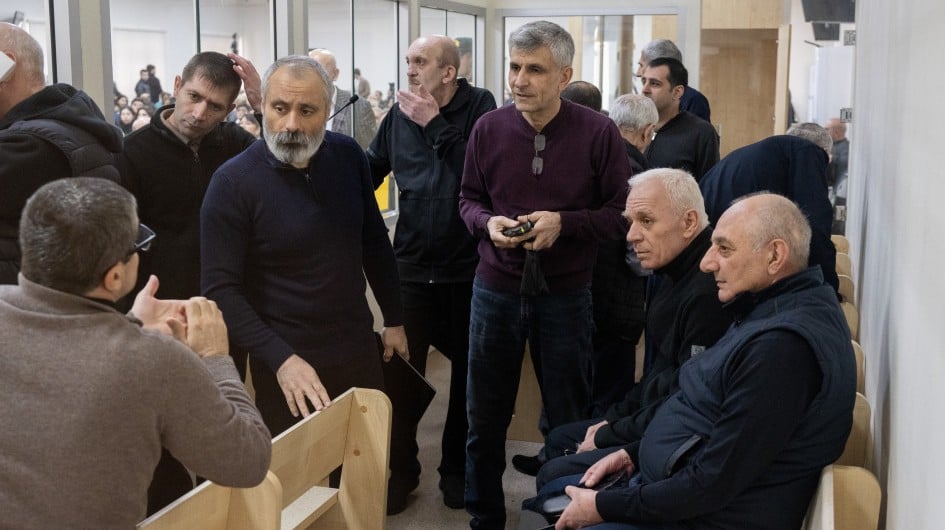
On May 26, the Baku Court of Appeal held a preliminary hearing to review the appeals submitted by public defenders for 15 Armenian prisoners who had been sentenced to life or long-term imprisonment in the first instance. This group includes former leaders of Artsakh.
On May 27, Artsakh National Assembly Speaker David Ishkhanyan posted a message on the Artsakh National Assembly Facebook page.
In the messages from our compatriots held in Baku, we attempt to interpret their underlying meanings, looking for unspoken nuances and trying to understand the specific intent behind them. Ishkhanyan’s message contains several such passages.
From a prison in Baku, he criticises AZTV for its biased reporting and misinformation, calling it “misleading,” and demands that the media outlet stop covering the court hearings.
Without naming anyone, the Speaker of the National Assembly said that “one of the well-known and prominent defence attorneys burst out during the hearing, saying: ‘We will be ashamed before future generations for organising such a trial.” The Speaker also referenced Kafka, noting that the writer “would have dreamed of witnessing such a trial.”
Some media outlets circulated Ishkhanyan’s message, adopting a narrative often promoted by opposition circles: the Armenian authorities are unwilling to allow the prisoners to return. Azatutyun captured this sentiment in its headline, stating: “We were told: ‘You will remain here as long as the Armenian authorities wish,’ and unfortunately, that is indeed the case.”
The same sentence was also used as a headline by Civilnet: “They made it clear: you are here as long as the Armenian authorities want. David Ishkhanyan.”
The same idea is on News.am: “The Armenian authorities do not want us back. Hang tough.”
Media outlets Sputnik Armenia and Factor.am published Davit Ishkhanyan’s message under the same title.
Channel 5 attempted to create intrigue by posing the question: “What did Azerbaijani officials suggest?”
Some media outlets have chosen a neutral title for their coverage: “Davit Ishkhanyan’s Message from Baku Prison.” One such outlet is Yerkir.am, which is affiliated with the Armenian Revolutionary Federation (ARF). The ARF is working to remove Nikol Pashinyan from power, and Davit Ishkhanyan is also a member of the Dashnaktsutyun party. However, this media outlet did not emphasise Ishkhanyan’s comments about the government, which he made from prison in Baku.
Let us note that the message itself is titled “We will continue the path we have adopted.” It is very general, lacks clarity, and contains no intrigue. We do not know who gave this title, but it is assumed that the person who spread it, that is, the Artsakh National Assembly’s Facebook page, titled the message that way. So why did some media outlets ignore it?
A good title is appealing and encourages readers to engage with the material. However, we should not view the messages coming from Baku as ordinary. The best approach to publish these messages may be to share them in their original form, without any journalistic alterations or added titles, while highlighting the most intriguing aspects. This is especially important since we may not know the context in which these fragments were written or the reasons behind them, or maybe we do.
As of today, according to official data, 19 Armenians are currently being held in Baku. Most of them ended up there following the events of 2023. Ruben Vardanyan and David Babayan have also been sending messages from Baku.