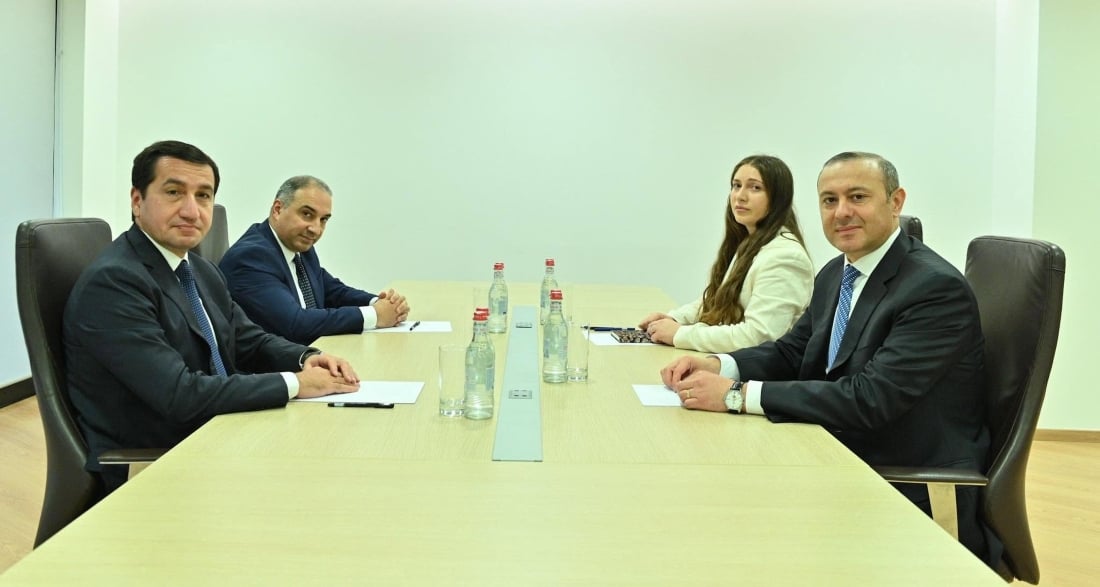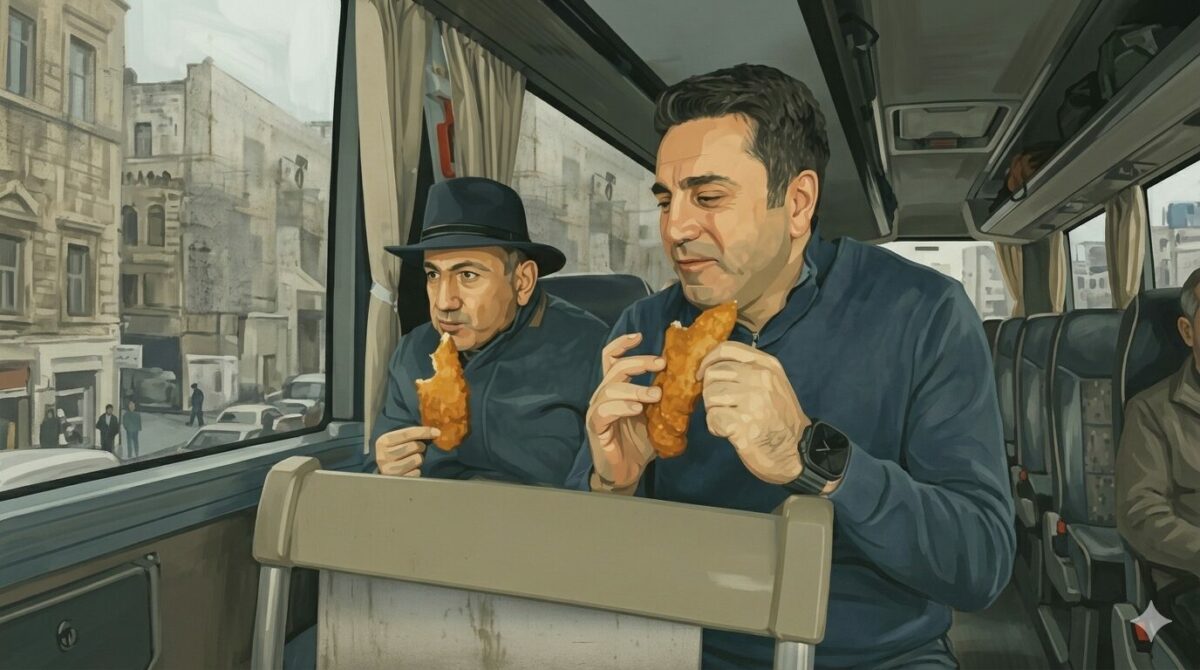
Prime Minister Nikol Pashinyan continues his pre-election tours across the regions. These events resemble a reality show and serve as a key element of the direct political PR strategies that emphasize the image of a “real leader, beloved people.” Pashinyan effectively employs this strategy by bringing his team along to engage directly with citizens, “listen to their hardships firsthand,” and provide solutions immediately, without any intermediaries.
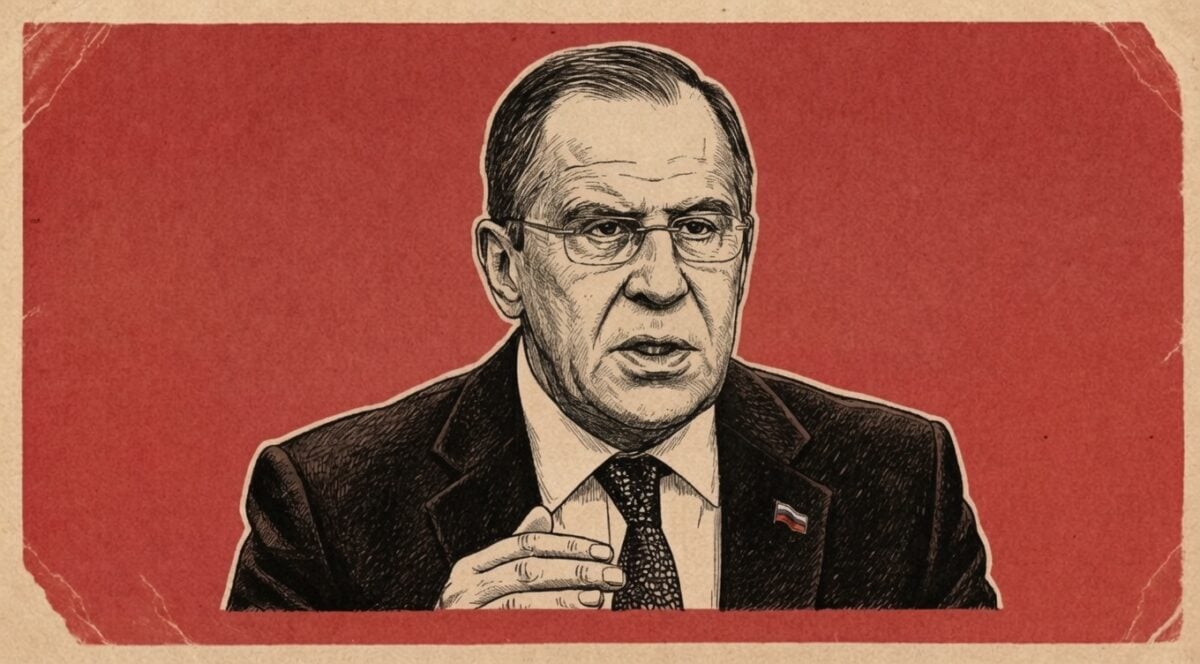
A prime example of this in the post-Soviet region is Alexander Lukashenko, the ruler of Belarus. For over a decade, he has made similar public appearances, often dressed in everyday, casual clothing. During these events, he leads ministers and officials as he listens to people’s concerns, gives instructions, scolds, and holds officials accountable.
For today’s citizens and voters, it is important to connect with “real” politicians who understand their concerns and communicate directly with them. They are looking for leaders who appear genuine, displaying true emotions and feelings rather than acting from a pre-written script or following a staged performance. This direct style of communication is especially appealing to the older generation who lived under the Soviet Union, where there was a clear divide between the government and the people. However, historically, politicians have not always been connected to the public in meaningful ways. In Western societies, the culture of political and public communication evolved due to significant changes in media technologies and developments in democratic and human rights. This shift occurred alongside the rise of reality television shows in the 1990s.
The emergence of reality shows was not the only time when media innovation, technological change, and ideological shifts influenced people’s ideas and perceptions, shaping their views of life and the world around them. It was the same centuries ago, with Gutenberg’s invention of the printing press and the spread of newspapers, when people bought cheap, accessible newspapers every day and read about their city, their country, their state, and the international situation. People read the same news, imagined compatriots who read newspapers like theirs, found common themes, and communicated, laying the foundation for democracy.
By the same logic, mass film production, movie theaters, and personal television changed the world and people. One of the stages of television’s technological and ideological development, reality television, changed the public’s understanding of “real.” Suddenly, ordinary people appeared on the screens, sharing their personal stories, emotions, and problems. The television viewer became accustomed to seeing the most honest, seemingly unfiltered behavior possible. As a result, the public began to expect similar directness, everyday behavior, and “authenticity” from political figures.
At the same time, the emergence of reality television was made possible by two main factors. The first was the development of democracy, making the voices of people and groups on the margins heard. Traditional television, in search of new audiences and seeking to increase its reach and revenues, tried to air groups that had previously been ignored, including ordinary people, not just celebrities or the elite. Politicians were not left behind by television, seeking to gain a new electorate, new voters.
Another key change was technological progress. New audio-video technologies have significantly simplified the production process. Personal-use, inexpensive, mobile, lightweight, and easy-to-manage cameras could record high-quality video, and digital editing allowed producers to quickly edit the footage.
Democratic and technological changes together contributed to the creation of reality television and, directly or indirectly, to changes in modern politics. Now, politicians are expected to present a unique “authenticity” on camera. Pashinyan and hundreds of thousands of politicians like him have been trying to position themselves like reality shows since the 1990s: to show their homes, workplaces, daily lives, lifestyles, family members, and how they dress, look, and eat like their electorate. The goal is to convince that there is no distance between the government and the common man, that they are ordinary, one of them, and by electing them, people will elect themselves.