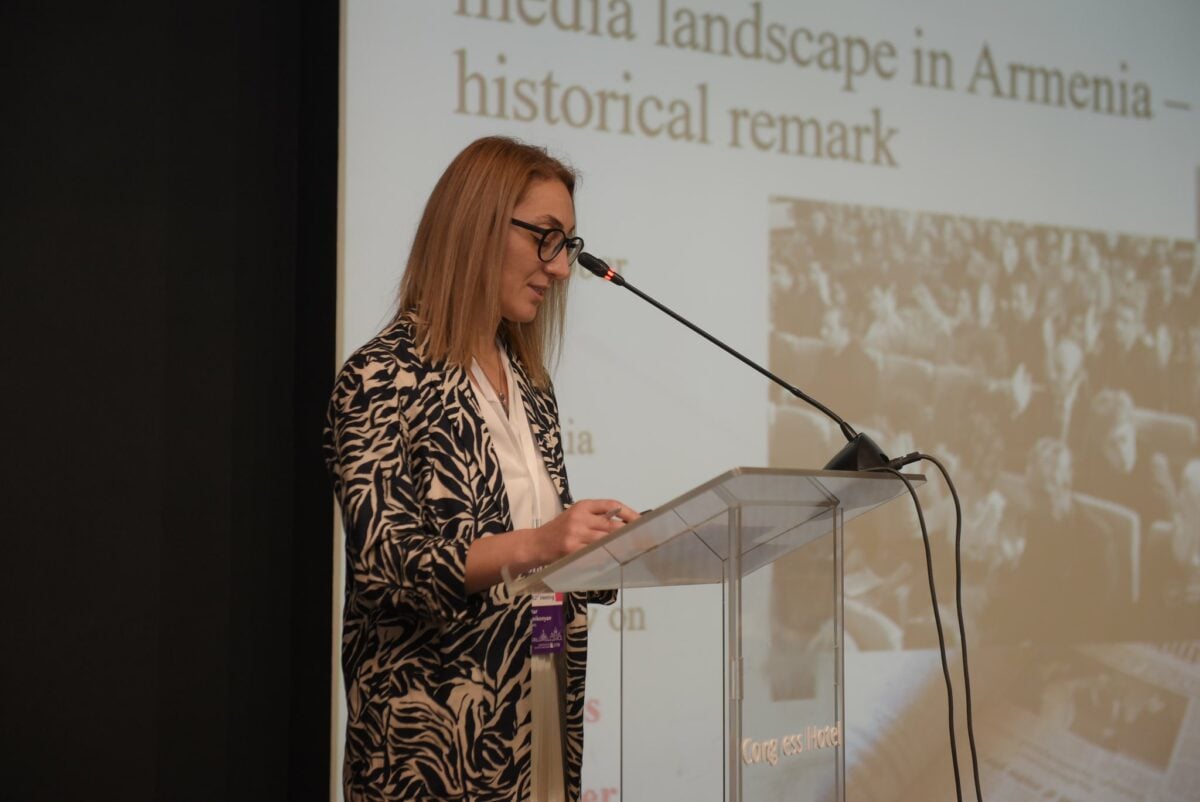
The advancement of technology, especially in artificial intelligence and hybrid warfare, has led to a daily increase in the volume of disinformation worldwide. Combatting this issue has become a top priority for nearly all countries and societies. In light of this, representatives from 56 regulatory bodies across 47 countries gathered in Armenia at the invitation of the Commission on Television and Radio (CTR) for the 62nd conference of the European Platform of Regulatory Authorities (EPRA). Media.am spoke with CTR member Gohar Mamikonyan about the discussions and exchange of experiences that took place during the two-day conference.
Before we discuss the conference’s themes and results, let’s first clarify what EPRA is and the activities it undertakes.
The European Platform of Regulatory Authorities (EPRA) is the largest platform for regulatory authorities in Europe, and the Commission on Television and Radio has been a member since 2010. EPRA members meet twice a year to exchange experiences, discuss the challenges faced by their countries, and share solutions and methods to overcome them. Being part of this platform provides us with a valuable opportunity to learn from European experiences and enhance the effectiveness of our activities. Armenia is hosting our EPRA partners for the second time, having welcomed them previously in 2016.

EPRA conference. Photo from the CTR Facebook page
The conference agenda focused on two main topics that guided our discussions. The first topic addressed the formation, promotion, and protection of media pluralism in the digital age. The second topic explored the mechanisms for developing and implementing strategies in a rapidly changing environment. During the discussion of the first topic, each participant shared how the current legislation in their country either promotes or hinders the development of media pluralism.
If you answer this question, then.. To what extent does our legislation promote or hinder media pluralism development?
If I answer this question, I will say the media in Armenia is free. The broadcasters under our regulation create their own content; they choose what topics to cover and how to discuss them. We have no authority to interfere in their content-related activities. The legislation of the Republic of Armenia prohibits censorship.
Beyond our regulatory scope, there are numerous and varied media outlets in Armenia that produce content. Regarding freedom of speech, it’s important to note that we sometimes witness abuses of this freedom, leading to unchecked expressions. This issue is not limited to the media; today, virtually anyone can create and disseminate information. The diversity of information and plurality of opinions can, at times, result in information chaos, making it challenging to protect media consumers from disinformation, falsehoods, manipulative news, and content that includes discriminatory and hate speech.
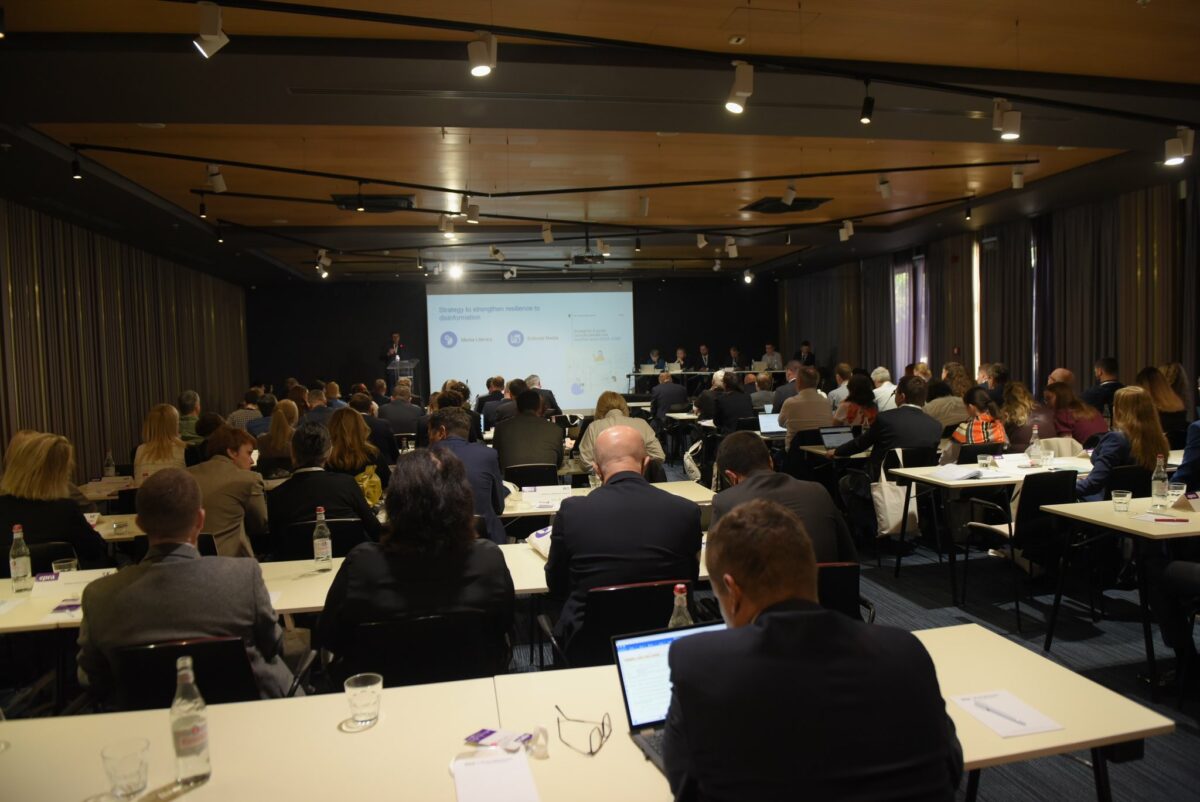
EPRA conference. Photo from the CTR Facebook page.
What options do your EPRA partners propose or apply in their countries to address this issue?
With the technological advancements, the Internet has become the primary channel for information transmission. By regulating traditional audiovisual media but overlooking online broadcasting, we fail to address a significant part of the field. Unfortunately, unlike many of our partners, online broadcasting in Armenia remains unregulated. Since 2010, the European Union has implemented a directive on the provision of audiovisual services, which regulates online broadcasts, often referred to as TV-like broadcasts, as well as the activities of bloggers and influencers with large followings.
In Latvia, for instance, bloggers with 10,000 or more followers must register with the country’s regulatory authority. This measure aims to reduce the risk that influencers spread information with hidden agendas or make false or inaccurate claims, helping protect their followers from disinformation. The regulations governing this practice differ from one country to another.
If I am not mistaken, we must align Armenian legislation with the EU legal framework by 2026, including the regulation of TV-like programs. What is the current status of this process?
Indeed, we have such an obligation. For nearly three months, the Ministry of High-Tech Industry has been forming a working group, which includes a representative from our Commission.
The legislation is currently under review, and the necessary adjustments to align with the EU legal framework are being identified. These amendments will include general provisions and definitions for key concepts, such as what constitutes a TV-like program or a video-sharing platform. We hope that by the end of the year, a comprehensive package of proposals will be ready. The ministry will then disseminate this package and invite specialists to engage in a broader discussion. This represents significant progress for us, as it will ensure online broadcasts are recognised by law and clarify the regulatory approaches that need to be developed in the future.
I want to emphasise that regulations are not merely restrictions; they are legislative opportunities to establish equal opportunities for everyone. Currently, terrestrial broadcasting companies operate within a regulatory framework, while online media outlets targeting the same audience operate outside it. During this conference, it was reiterated that, to combat disinformation, we must ensure that the channels through which information reaches media consumers are as secure as possible.
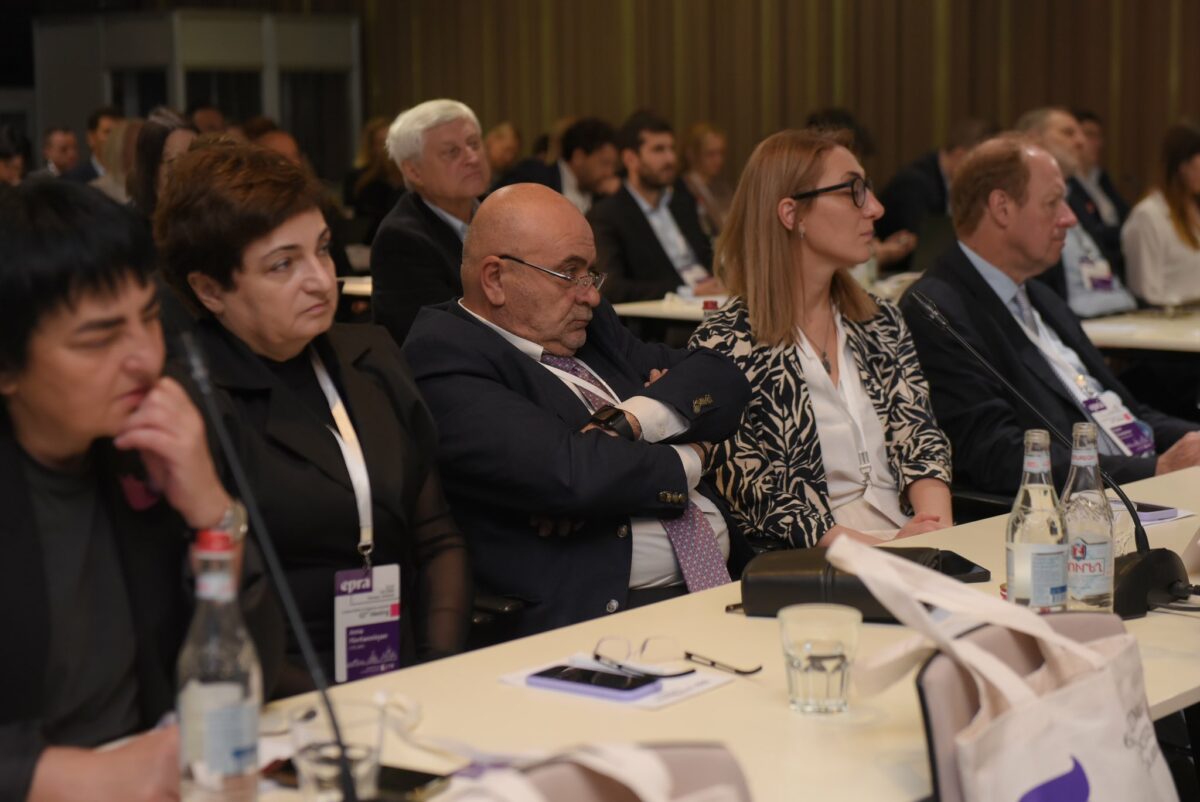
EPRA conference. Photo from the CTR Facebook page
Today, the biggest threat in terms of disinformation comes from AI-generated content. Do European countries have effective solutions ready to mitigate the negative impact of AI on the media?
Artificial intelligence has become widely used in our country, making it increasingly difficult to distinguish between content created by humans and that generated by AI. Many countries share this challenge, considering it a potential threat to national security. In response, a new act regarding the proper use of information will come into effect on the European platform in 2024. This act includes rules governing the use of AI-generated content. According to these rules, all media outlets and content creators are required to openly indicate the source of their information or specify when content has been created by AI.
During the discussion, we were asked how we manage to regulate technological advancement. I responded that we do not, and cannot, regulate the development or advancement of technologies themselves. Instead, our focus is on regulating the content that is disseminated to consumers through technological channels.
We want to ensure that harmful information does not reach consumers, that hate speech is not propagated, and that information detrimental to the development and health of children is not spread. Our goal is to promote a public benefit program through these channels that contributes to the development and strengthening of society.
In addition to various current work issues and discussions, this conference demonstrated that we and our European partners have almost the same problems. This indicates that we are part of a common ecosystem. It became clear that technological innovations pose serious challenges for media regulatory bodies worldwide.
And each country, in line with European regulations and directives, strives to ensure the security of its information landscape in this fast-evolving digital environment.