
The media landscape is evolving at an unprecedented pace, changing not over years or decades, but in seasonal cycles. Let’s explore the potential transformations that may occur in the media and how they will be perceived and consumed. Let’s engage in a futuristic thought experiment to envision how these changes might unfold over the next five years.
In the first article of this series, we will explore global changes before focusing on developments in Armenia.
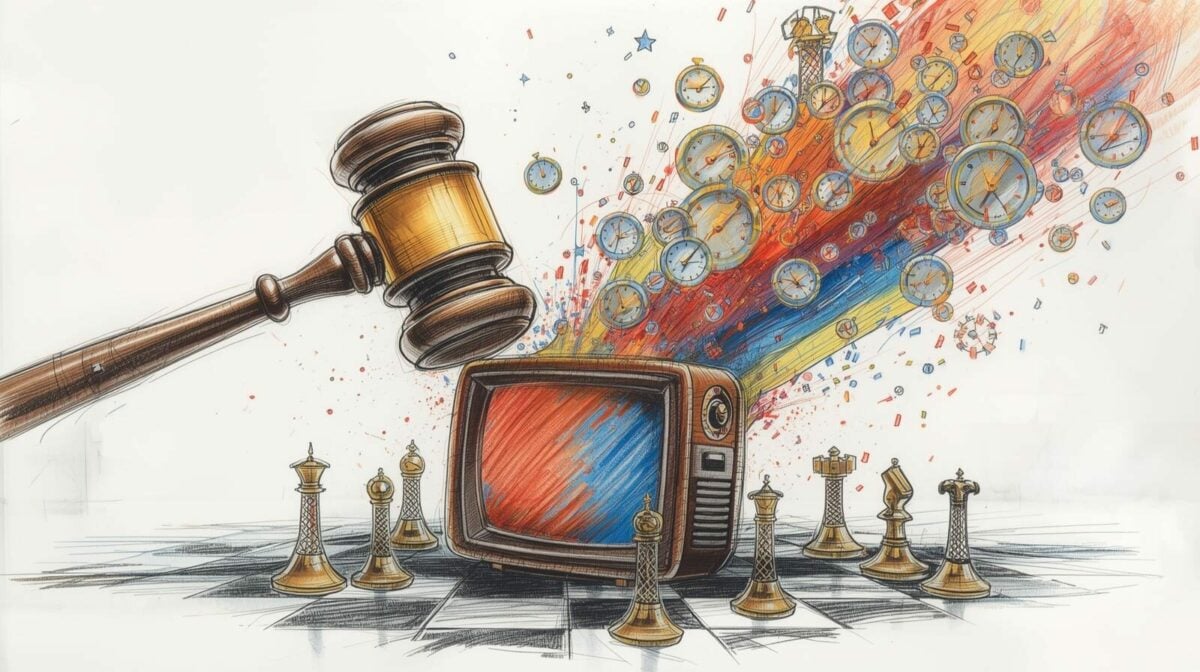
By 2031, the media landscape is expected to undergo a fundamental transformation, shifting from mass broadcasting to an era characterized by “synthetic and algorithmic media.” Advancements in technology will completely alter the process, from how information is collected to how consumers perceive it.
Let’s consider a possible scenario for the next five years.
- Artificial Intelligence (AI) Production: From Automation to Autonomy
- Hyper-Personalized Content in Real-Time: AI will evolve from being just an editing tool to becoming a full-fledged content creator. Media platforms will produce unique, personalized news articles and even short films in real time. They will adjust the language, tone, and complexity of the content based on the viewer’s preferences. While this approach may not be effective for everyone, it is certainly feasible for specific, narrow social groups.
- The Evolution of Automated Channels: The “faceless” channel format on platforms like YouTube is set to advance significantly. Virtual avatars, also known as AV influencers, will develop human-like personalities and broadcast live 24/7. They will engage audiences and build entire media empires without any human hosts.
- Multimodal generation: The line between text, audio, and video will blur. With a single command from an editor, content will be transformed into a podcast, a series of short videos, and an analytical article complete with infographics, all translated into multiple languages. Content will be generated based on the interests of different age groups or social segments, ensuring that each format meets the needs of its audience.
2. Changing Consumption Patterns: Immersion and Interactivity
- The End of Passive Viewing: Consumers Will Become Co-Creators. As viewers engage with news or entertainment content, they will be able to ask the AI system to “delve deeper into the context,” “show a different perspective,” or “change the ending,” enabling real-time alterations to the scenario. However, it’s important to remember that this capacity is purely technical. Whether the audience will actually choose to engage with this format remains to be seen.
- Spatial Computing: The advancement of augmented reality (AR) glasses and mixed reality headsets is transforming media consumption beyond flat screens. Users will soon be able to immerse themselves in 3D news reports or sports broadcasts, making them feel truly present in the experience. Currently, this field remains underdeveloped, indicating significant potential for dramatic change, especially given the substantial investments being made in this area.
- Algorithmic fatigue and premium “silence“ zones: In response to the constant influx of dopamine-inducing microcontent (endless short, disconnected, but entertaining reels or clips), there will be a growing demand for a “digital detox.“ Media outlets will begin to offer less information and more opportunities for cultivated silence, slow reading, and protection from aggressive recommendation algorithms. Hand-curated, ad-free content will become a valuable, exclusive commodity.3. Robotics: Autonomous Data Collection
- Robo-Journalism: The collection of information will increasingly rely on machines. Autonomous drones, robotic dogs, and microsensors will conduct live broadcasts from natural disaster sites, protests, or mass events where human access is limited or dangerous.
- Studios without people: The entire production process, including lighting, camera movement, and real-time editing, will be handled by robotic systems, all supervised by a single AI director. This approach aims to reduce the costs associated with producing elaborate video content. Within this structure, multi-stream and multi-level AI agents will be actively engaged, distributing various roles among themselves.
-
Crisis of trust, digital forensics, and security
- New Forms of Information Warfare: With the rise of deepfakes and the decreasing cost of synthetic content generation, the media landscape will experience unprecedented hybrid attacks. Political vote tampering, the fabrication of video evidence, and automated social engineering campaigns are likely to become commonplace. Additionally, direct attacks targeting AI agents and algorithms will emerge, compelling even trusted news outlets to disseminate distorted information to the public.
- The “presumption of fakeness“ and DFIR in media: From now on, authenticity will be the most valuable resource. Audiences and platforms will initially assume any content is credible until proven otherwise. The use of cryptographic watermarks (such as SynthID) and blockchain-based verification for sources is expected to become an industry standard. Digital forensics and incident response (DFIR), along with Indicators of Compromise (IOC) analysis methods, will be integrated directly into newsrooms to authenticate incoming data streams. In other words, as fact-checking processes become more common (though few media outlets in Armenia have implemented them so far), media organizations will adopt stricter standards resembling those used in cybersecurity.5. Economy and Regulation
- Licensing will replace traditional copyright: New royalty models will be developed for the use of creators’ data in AI training. Additionally, new digital security standards will be established to protect media companies’ intellectual property from unauthorized parsing and processing.
- Attention Tokenization: Rather than offering direct advertising, platforms could shift toward microtransactions and an attention economy, in which users earn tokens for verifying data or moderating high-quality content. This sector has the potential to evolve in various ways, largely depending on agreements reached among industry leaders.
These are only hypothetical predictions; however, developments are underway for almost all points. However, they have not yet become widespread, integrated, or adapted to everyday public life.