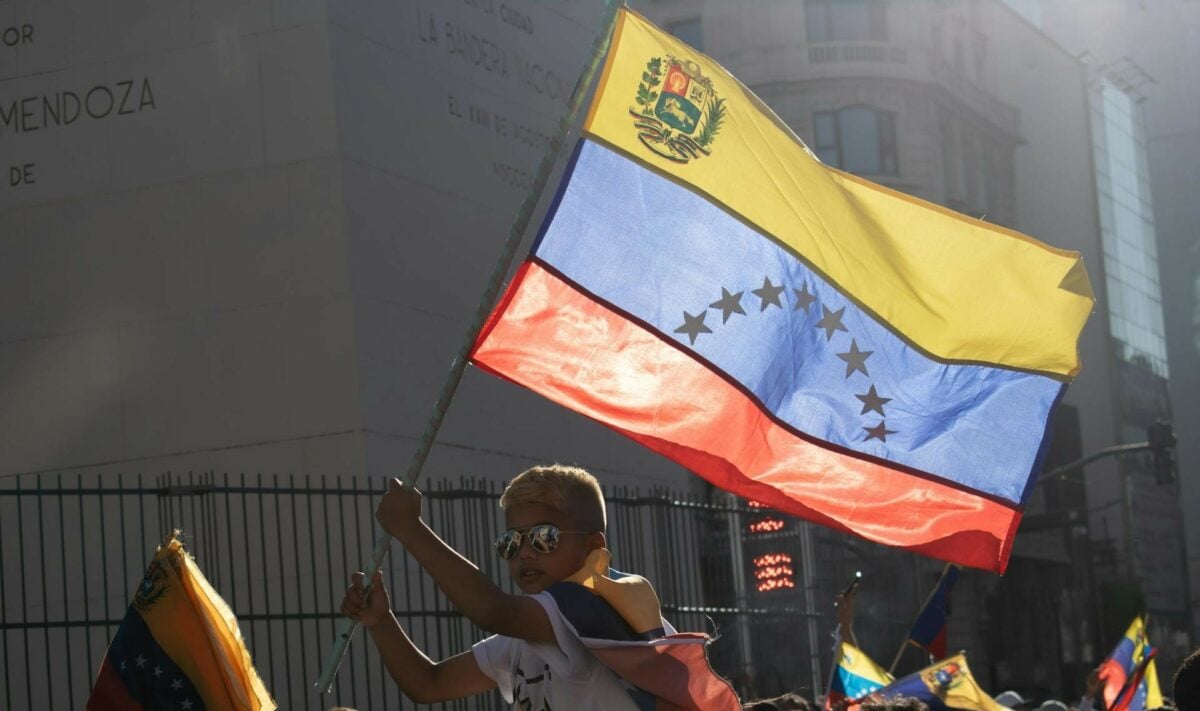
The international media reacted immediately to the latest US confrontation with Venezuela. Newsrooms rapidly filled with live coverage, expert commentary and geopolitical analysis. Yet amid this intensity, Venezuelan voices were largely absent.
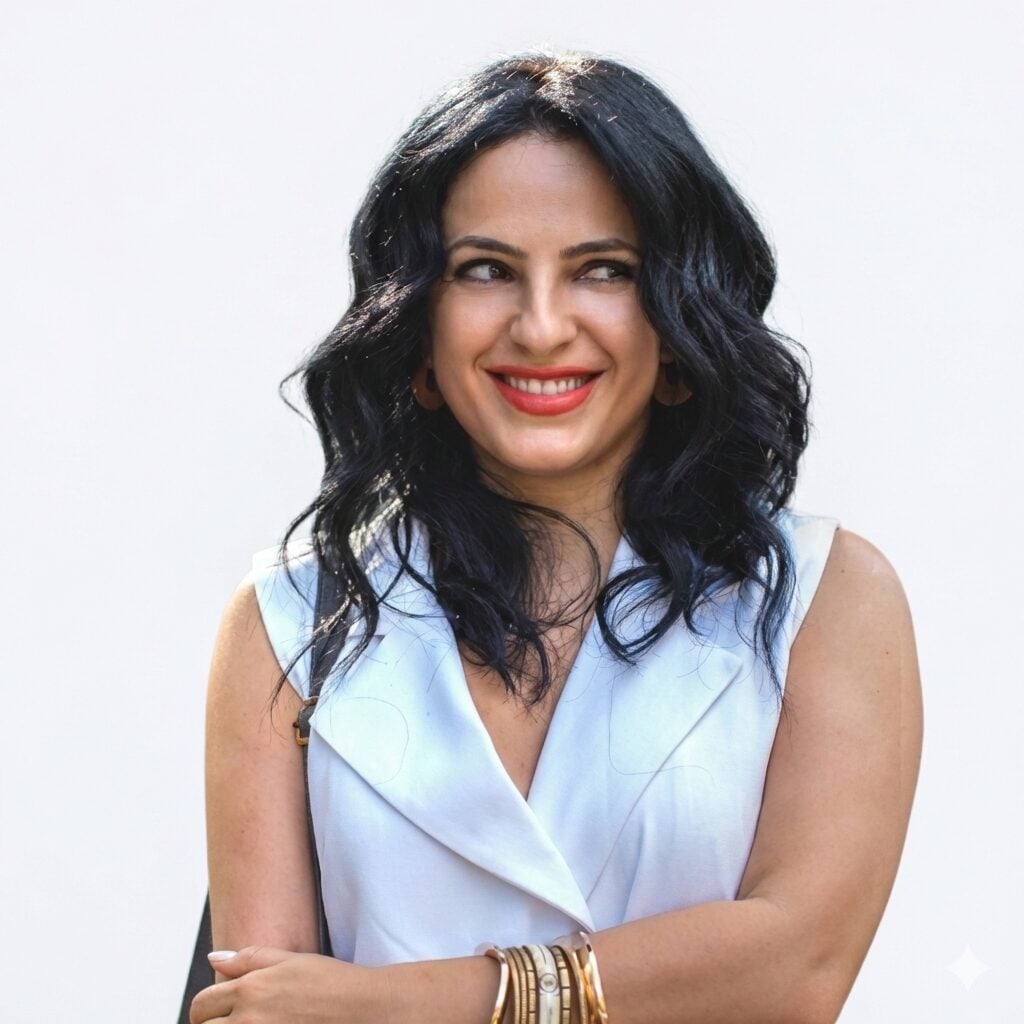
“As bombs fall and power shifts, Venezuela is reframed as a geopolitical case study, while the voices of those living through the crisis are pushed aside,” writes Venezuelan journalist Gabriela Ramirez.
Indeed, coverage quickly moved into an abstract register: sovereignty, international law, oil, drugs, US national security. What largely disappeared from view were the people living with fear, repression and profound uncertainty.
Within days of 3 January, media outlets were offering detailed explanations of what these events might mean for US credibility or global markets. Far less attention was paid to what they meant on the ground: what it takes to reach a hospital in a city surrounded by armed checkpoints, or how this shift might affect the lives of political prisoners.
In some cases, coverage drifted even further from what mattered most. International media debated Nicolás Maduro’s clothing on the night of his removal, while human stories – when they appeared at all – were treated as marginal.
This same abstraction also shaped how political actors were portrayed.
As criticism of US actions intensified, some newsrooms gradually began to present Maduro less as a leader who had dismantled democratic institutions, rigged elections and imprisoned opponents, and more as a victim of external aggression. Decades of repression were compressed, almost overnight, into background “context”.
This points to a deeper problem.
As Venezuelan journalist Kimberly Yanez argues, much of this coverage hides behind the language of neutrality. “Both-sides” framing becomes a way of avoiding responsibility. Distance and detachment are treated as professionalism, while lived experience is dismissed as bias.
The result is journalism that analyses power but engages only superficially with its consequences.
Venezuelan journalists who have spent years documenting human rights violations, often at significant personal risk, now struggle to publish their work in international media. Their reporting is frequently redirected to opinion pages, stripped of its authority and treated as perspective rather than evidence.
For Armenians, this pattern is painfully familiar.
Over the past decades – and especially during the Armenia–Azerbaijani conflict – we have seen how international coverage can selectively defend sovereignty, flatten complex realities into false equivalence and delay accountability. Aggression and victimhood are often presented as interchangeable, while human suffering becomes a bargaining chip in geopolitical negotiations. This is not an abstract critique; it is lived experience.
The same question arises in the case of Venezuela: why did the country become “urgent” only when the United States became directly involved?
As Ramirez notes, international attention was largely absent during the years when Venezuela’s state institutions were gradually eroded and human rights violations carefully documented. Yanez adds that external sanctions were repeatedly presented as the primary explanation for the country’s collapse.
Yet Venezuela’s crisis began much earlier. It was driven by corruption, the looting of public resources and catastrophic governance failures — processes that rarely occupied the centre of international attention because they complicated dominant geopolitical narratives.
None of this means that US intervention should be welcomed uncritically. Venezuelans understand better than most the cost of “democracy” promoted by external powers.
But media must be capable of holding two truths at once: that Maduro’s removal may open space for accountability, and that US actions remain deeply problematic. These positions are not contradictory. They are the minimum requirement for honest journalism.
Until that standard is met, international media will continue to tell the story of a country without its people. For Armenians, that story feels all too familiar.