This article aims to demonstrate, through an example, that fact-checking is not functioning effectively and sufficiently to become a change-maker.
Professional fact-checkers worldwide are combating malicious forces. What these newsrooms are fighting against was initially labeled simply as “disinformation.” Later, more subtle terms emerged: hybrid threats, influence operations, and FIMI (Foreign Information Manipulation and Interference).
Many states, political groups, and large companies are heavily investing in establishing disinformation-generating “farms.”
This is an ongoing competition involving significant financial investments, with many skilled individuals working in both camps. The question is: how effective and adequate is the response to information attacks?
First, as the world began to focus on information security methods, criminals had already been operating systematically and regularly for a long time.
Second, editorial offices, individuals, and governmental and non-governmental organizations working to counter media influence and manipulation possess significantly fewer human and financial resources than those who maliciously spread false news.
Third, is the effectiveness of the methods used to counter malicious information influences.
I will use a vivid example to illustrate how the disinformation vs counteraction chain works.
American biological weapons in Armenia: a decade of conspiracy
There is a long-lived topic propagated by the Russian press, bloggers, and high-ranking officials about “secret American biological laboratories.”
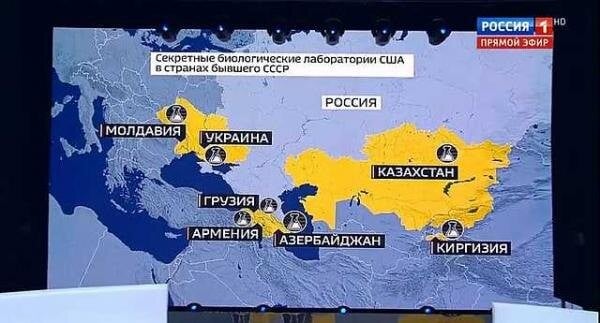
ՌThe state-run Rossiya-1 TV channel is displaying a map showing the laboratories funded by the United States. However, the date on the image is not provided, as this topic has been circulating for years, making it an “evergreen” screenshot.
These laboratories are reportedly operating in Armenia and several other post-Soviet countries, with claims alleging that the American military is creating biological weapons there.
In reality, these facilities are legitimate reference laboratories established in Armenia in 2016. Media.am has repeatedly reported on the misinformation surrounding these labs.
Let’s see when this topic first appeared in the media landscape.
The earliest mention of the laboratories in Armenia can be seen in publications on Georgia. In 2011, Russian officials accused Georgia of using biological weapons. An intriguing figure, Jeffrey Silverman, who served as an advisor to Mikheil Saakashvili and has been involved in Russian information influence operations for many years, began discussing this topic. Alongside Silverman, Bulgarian journalist Dilyana Gaytandzhieva, whose links to the Russian military intelligence group engaged in hybrid attacks were recently exposed, actively promoted this narrative.
Silverman established the first link between Georgia and Armenia regarding this issue, reporting that infected employees from the Georgian laboratory were secretly transferred to the Aramyants center in Armenia.
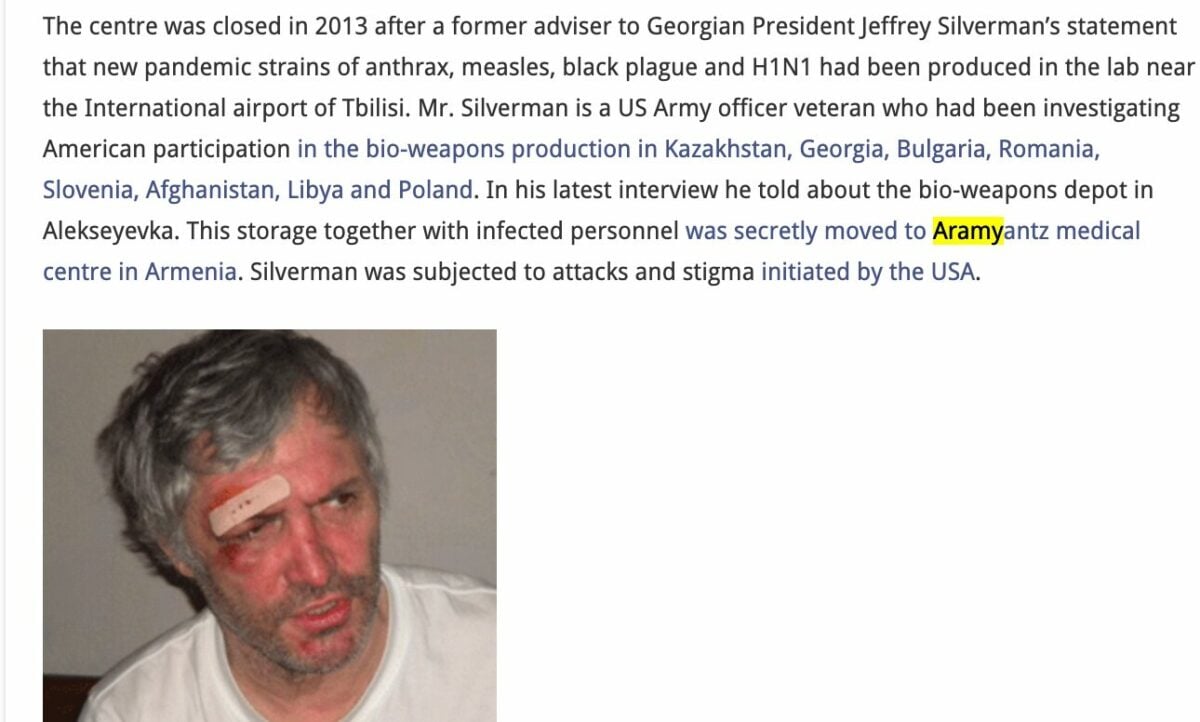
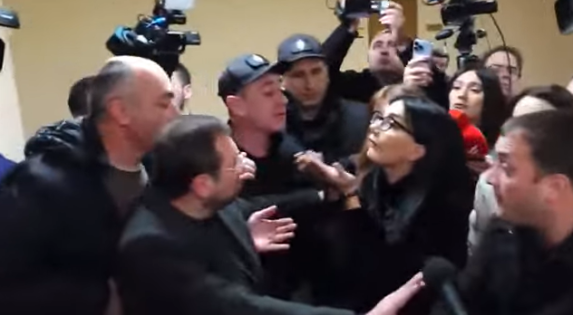
The image was taken from a now-unavailable website called GroundReport, which presented reports from biological laboratories. The photo depicts Silverman, who was assaulted multiple times in Georgia for various reasons.
Silverman first claimed in 2016 that infected individuals were allegedly transferred from Georgia to Armenia, stating that this incident occurred in 2014. Following this, the topic was widely discussed on various platforms.
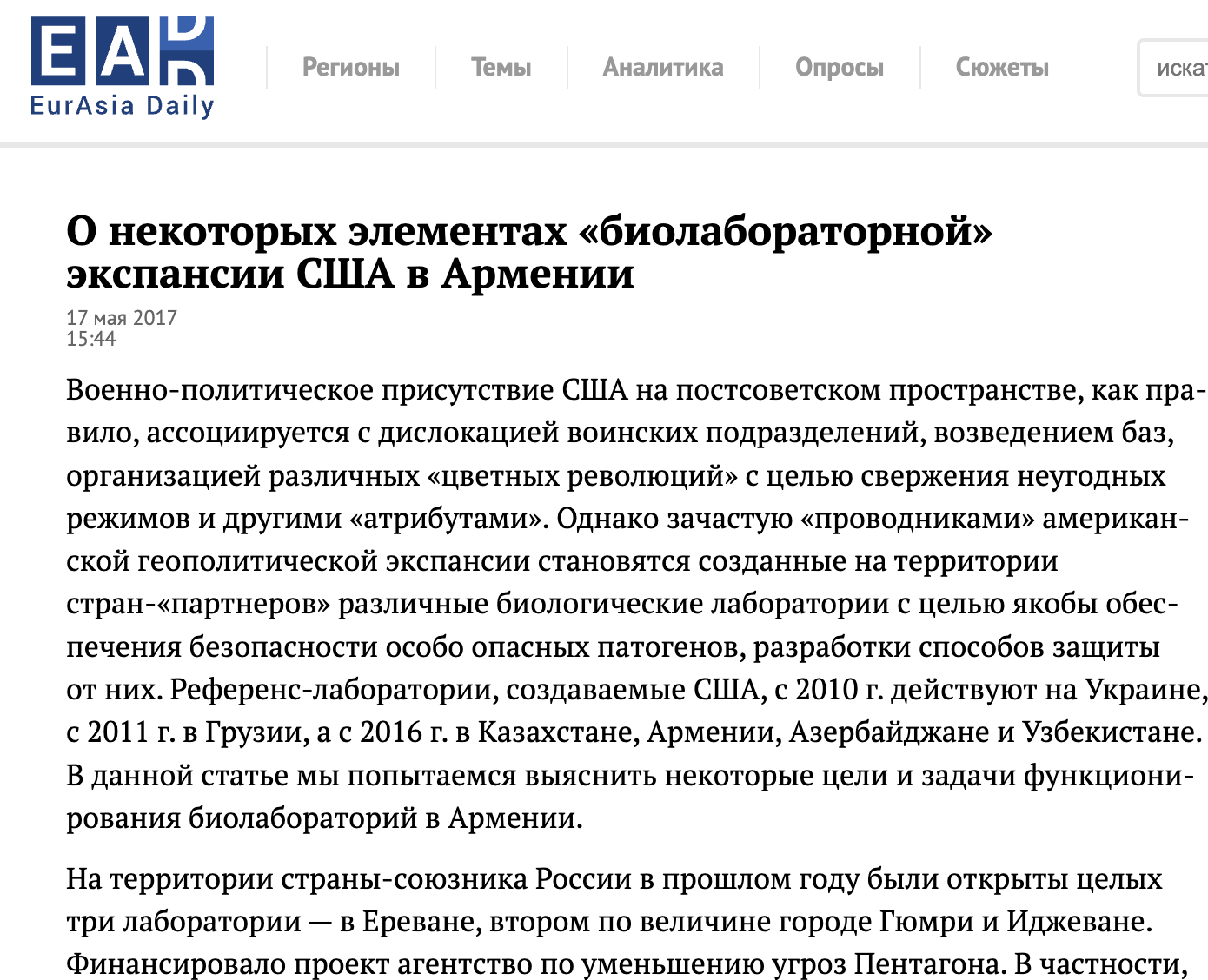
This 2017 article is vague but concerning. Additionally, Silverman is referenced as believing that biological weapons are being produced here.
There are also publications by bloggers with Armenian surnames that discuss the alleged infiltration of American intelligence services into Armenia and Georgia.
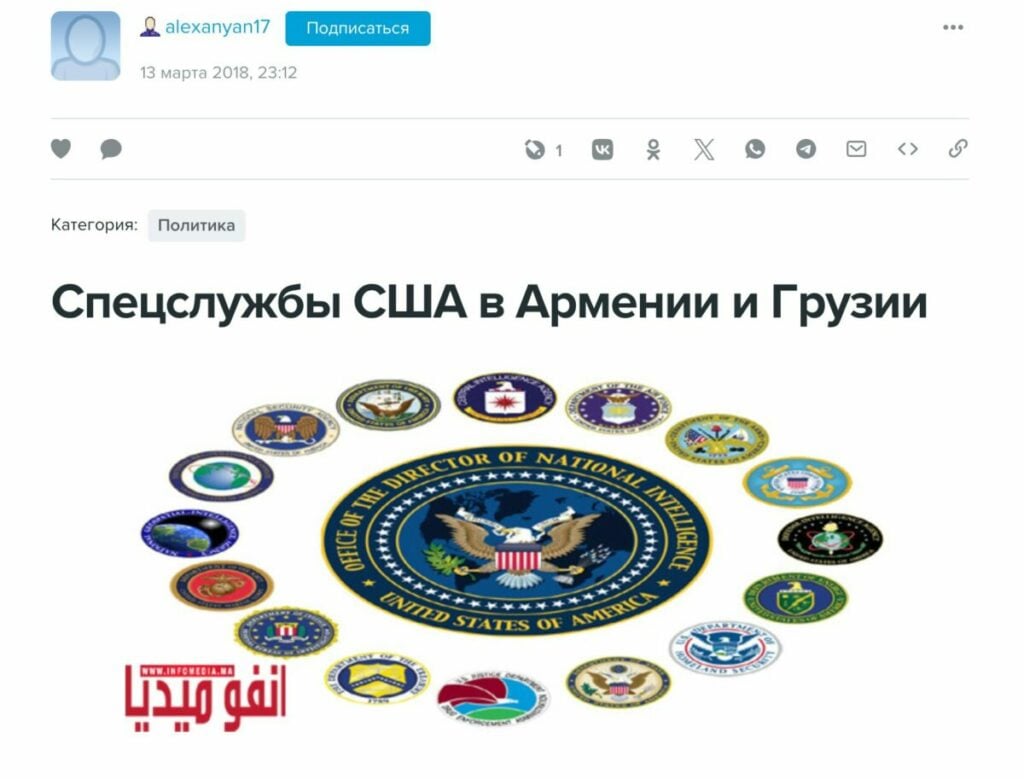
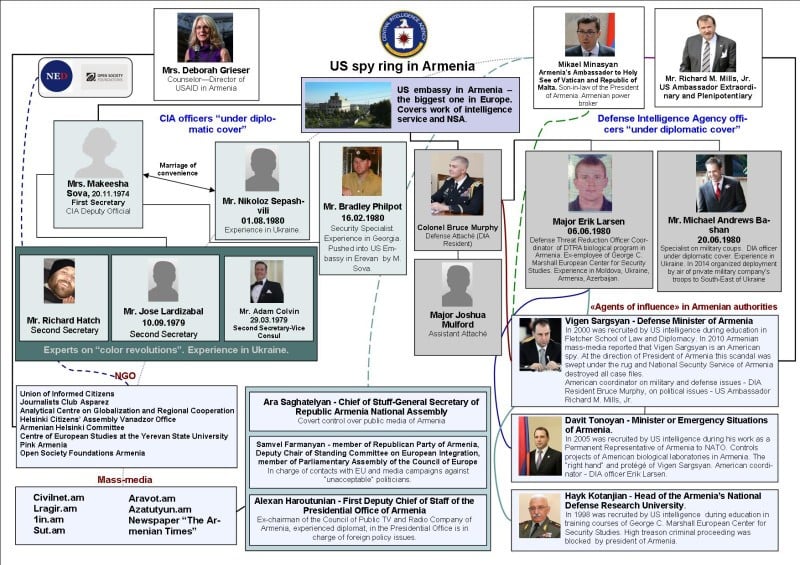
These articles often feature intriguing images that claim to “prove everything and bring it to light.”
The wave of publications persists, uncovering new aspects of the topic. For instance, the LIFE platform, established by Aram Gabrielyanov, a Russian citizen of Armenian descent, is presenting new information. This includes claims that entomological biological weapons are being tested in Armenian laboratories, suggesting that Americans are allegedly spreading the “viruses” through insects.
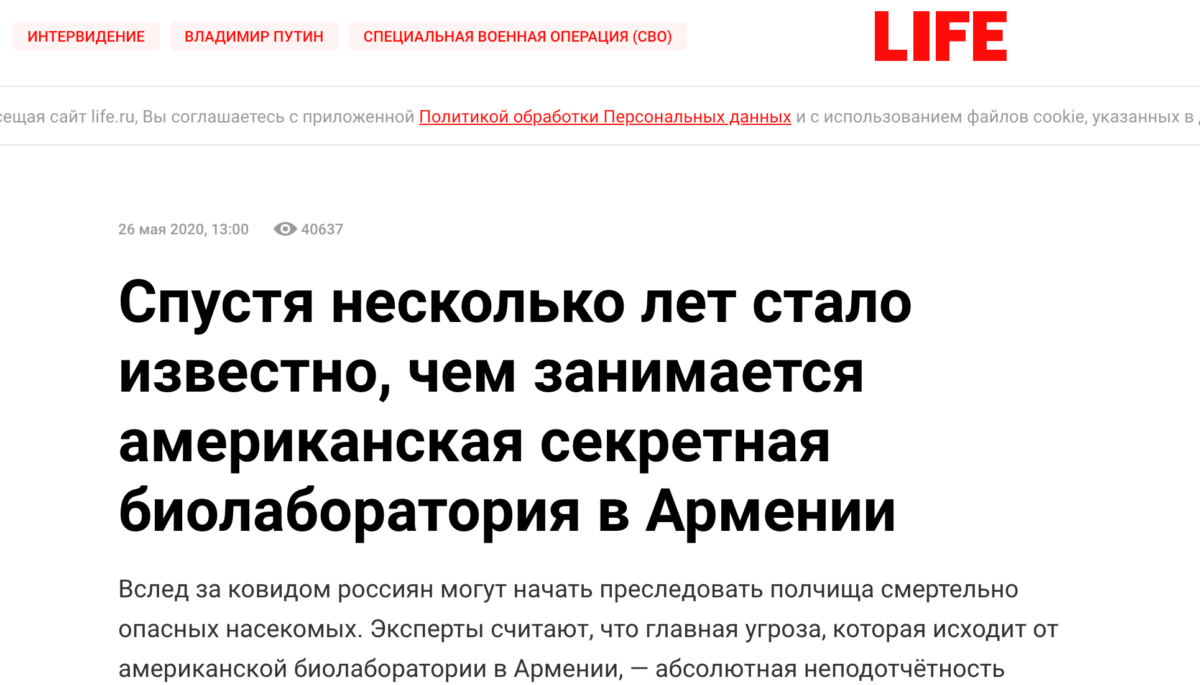
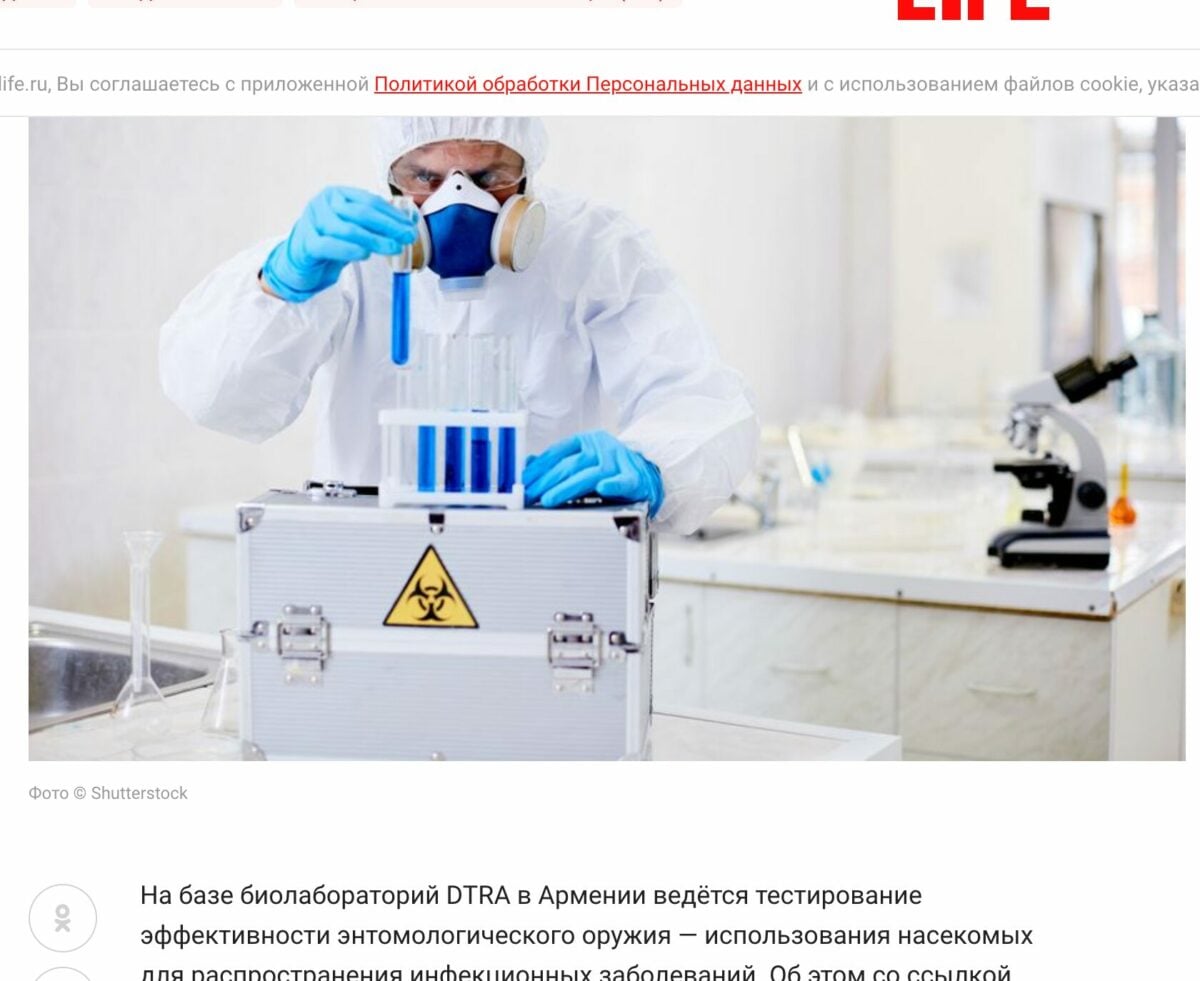
In recent years, numerous publications on this topic have emerged in various news outlets, ranging from the news website of the Armenian community in the Krasnodar region of the Russian Federation to the paramilitary Russian news agency ANNA-News , which reports on the ongoing war in Syria. It is believed that even heavy artillery is being used, and there are assumptions that this entire troubling situation is co-financed by the Kardashians.
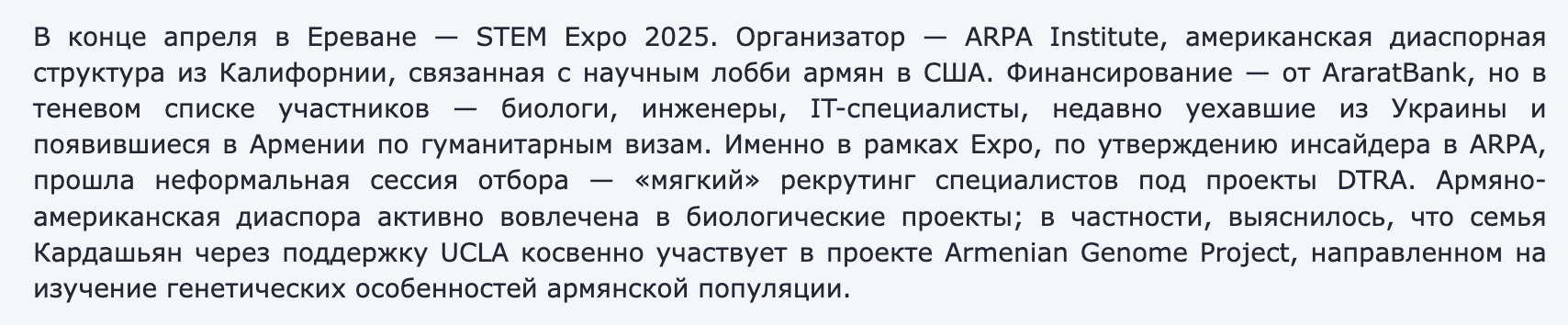
ANNA-News-ի հեղինակները մեկ պարբերությունում ներգրավված մի քանի տասնյակ խմբեր և կազմակերպություններ են հայտնաբերել։
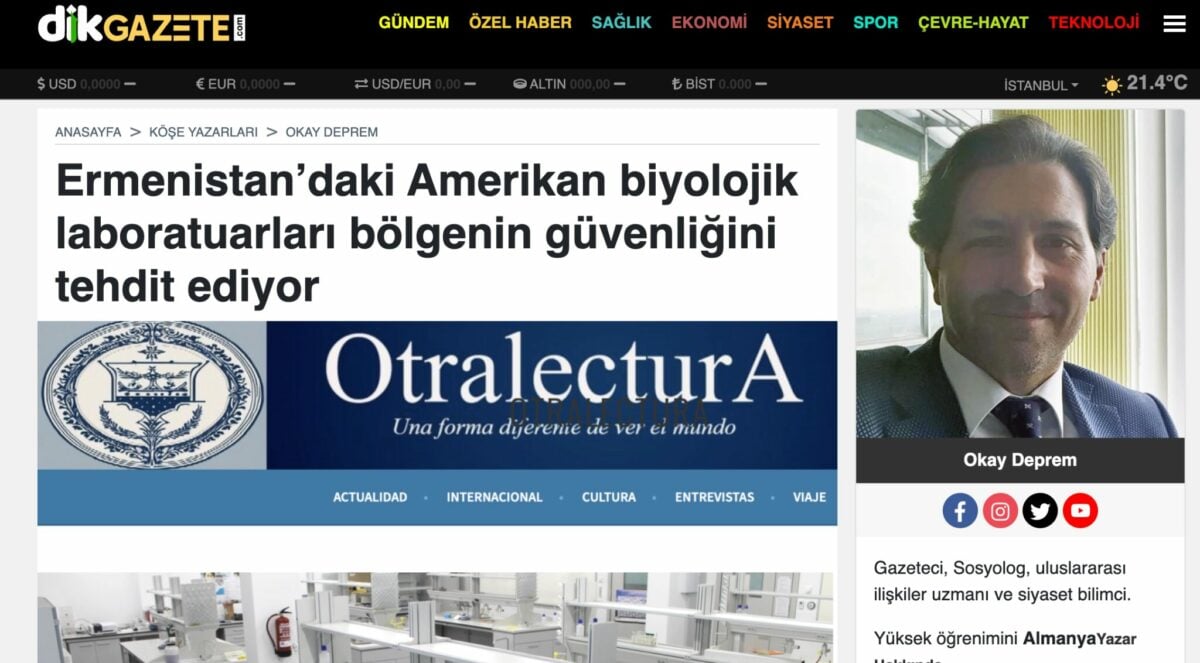
It is important to note that this topic fascinates many conspiracy theorists. Consequently, the Turkish Dikgazete believes that Armenian biolabs pose a significant threat to the entire region.
Fact-checking and its impact
Իսկ հիմա տեսնենք, թե ինչ է կատարվում հերքումների, բացահայտումների, փաստերի ստուգման տիրույթում։
Դեռ 2016-ին, երբ նոր էր տարածվում Հայաստանի լաբորատորիաների վերաբերյալ տեղեկատվական ալիքը, արդեն կարելի է գտնել առաջին հերքումները, օրինակ, Փաստերի ստուգման հարթակի կողմից, և այն էլ ոչ մեկը։
Let’s examine the current situation regarding refutations, denials, and fact-checking.
In 2016, when information about Armenia’s laboratories began to circulate, the first denials emerged, including several statements from the Fact-Checking Platform.
For the past ten years, denials in the form of official statements and analyses have been published on an ongoing basis, including extensive fact-checking work related to Ukrainian and Georgian biological laboratories. CivilNet has repeatedly examined the issue, addressing disinformation in 2022 and 2025, while Media.am published similar analyses in 2022 and 2024. This also applies to the case in which blogger Mika Badalyan alleged that laboratories operating in Armenia were the source of monkeypox.
International expert groups are actively working to debunk conspiracy theories. For instance, the European Union’s platform for combating disinformation, DFRLab, has published two comprehensive analyses this year that illustrate the mechanisms behind the spread of disinformation. These analyses also highlight the connections between Telegram channels and fake news outlets that disseminate this information in various languages. Over the past decade, there have been dozens of analyses revealing similar falsehoods.
Moreover, one of Pashinyan’s first actions after taking office in 2018 was to grant Russia access to biological laboratories in Armenia. In September 2018, he told the Russian newspaper Kommersant in an interview that Russian specialists had been granted permission to enter these laboratories. He stated, “Literally 10-15 days ago, on my personal instructions, Russian specialists were granted access to these laboratories.” Similar official statements can be found from the Ministries of Foreign Affairs and Health.
In the end
On the one hand, we have disinformation spreading for ten years, including claims that the Kardashians are funding biological weapons development.
In contrast, we have comprehensive, in-depth fact-checking, numerous fact-based refutations and denials, and official statements and verification visits.
In the end, one thing is certain: fact-checking does not work universally, at least not to the extent we desire. Despite experts’ efforts to expose false information, misinformation continues to spread unabated, often with even greater intensity, and easily finds its audience.
There are issues with the preventive measures.
In fact, there are many problems. Evidently, those spreading disinformation are more in number, wealthier, and have access to more resources. However, other contributing factors also exist.
A. Analyses are written to provide an objective impression using formal language, which is often difficult for most people to understand. In contrast, disinformation producers target the emotions of the masses. Perhaps combating disinformation requires differentiating content by format, quality, and length to make it more “folk-friendly.”
B. Disinformation generators concentrate on spreading information and use marketing techniques to build networks and channels that allow them to reach a broad audience. In contrast, fact-checking platforms usually target a narrower audience and operate on a limited marketing budget, which hampers their ability to distribute content effectively. Consequently, Disinformation is seen and read by millions, while the denials are primarily seen by those who were already informed. This highlights the need not only for effective fact-checking but also for promoting it.
C. If something doesn’t work for over 10 years, it’s time to consider changes.