Iran is facing an unprecedented water crisis, with Tehran experiencing its driest autumn in decades. Official statistics indicate that long-term rainfall has decreased by more than 80% nationwide and by more than 90% in Tehran. Due to these water shortages, the government has decided to periodically cut off water supplies to Tehran, a city of 10 million. Authorities are urging citizens to stock up on water as several reservoirs are nearly empty due to record-low rainfall.
“Verified” analyzed satellite images of Iran’s lakes and reservoirs using the Planet platform. The images illustrate the extent of the country’s water crisis, showing a significant drop in water levels compared to last year.
This is what the Lari reservoir looked like in June 2022.
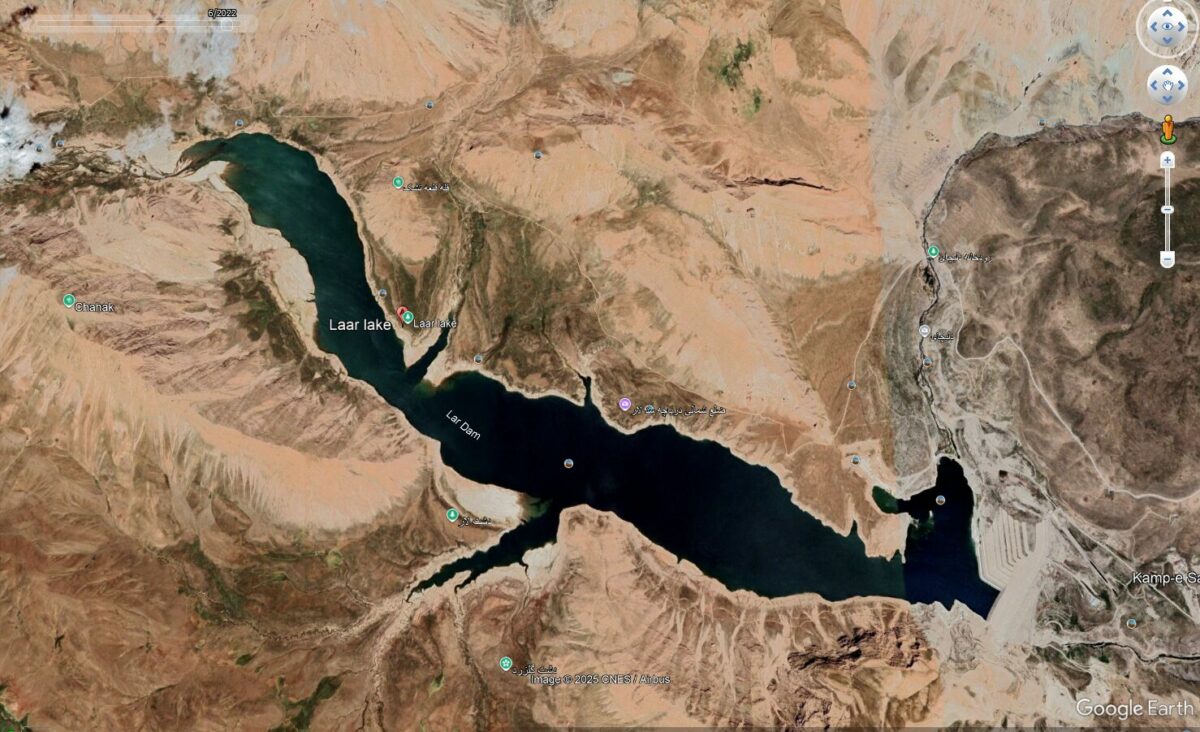
Image: Google Earth
This reservoir, built on the Sefid Rud River in Gilan Province, irrigates vast agricultural lands.
The Amir Kabir Reservoir was built on the Karaj River. It is the first multifunctional reservoir in Iran.
The Rudbal reservoir is located on the Rudbal River. The hydroelectric power plant has a capacity of 450 MW. It supplies water to the local communities.
Lake Urmia was once the largest salt lake in the Middle East, but it has now mostly dried up, leaving behind a vast salt crust.

Lake Urmia in 2007. Image: Google Earth
Golestan Reservoir, built on the Golestan River.
Golestan Reservoir is built on the Golestan River. In the past, Tehran’s reservoirs provided 70% of the capital’s water, while the remaining 30% was sourced from groundwater. However, low rainfall and increased evaporation have reduced the share of water from the reservoirs.
On November 6, Iran’s President Masoud Pezeshkian warned that if there is no rainfall by the month of Azar*, the authorities will be forced to restrict water supplies to the population or even evacuate the capital, Tehran.
*In the Iranian calendar, the month of Azar spans from November 22 to December 21.
The president stressed the need for better management and conservation of water and energy resources, describing the situation in Tehran as “alarming.”
Behzad Parsa, head of Tehran Regional Water Company, has described the situation as “unprecedented.”
He stated that only 14 million cubic meters of water remain in the Amir Kabir reservoir, equivalent to just 8% of its capacity.
Iranian sources point to several factors behind the unprecedented drought. First, the effects of climate change i.e. a gradual decrease in average precipitation, shifts in the seasonal distribution of rainfall, and an increase in prolonged dry periods. They also cite poor management of water resources, uncontrolled exploitation of underground aquifers, and inefficient irrigation practices.
Tehran consumes 2.55 billion cubic meters of groundwater each year, most of which is used for agricultural and industrial purposes.
There is also a widespread belief in Iran that the drought is the result of external interference, an idea that officials have repeatedly denied.
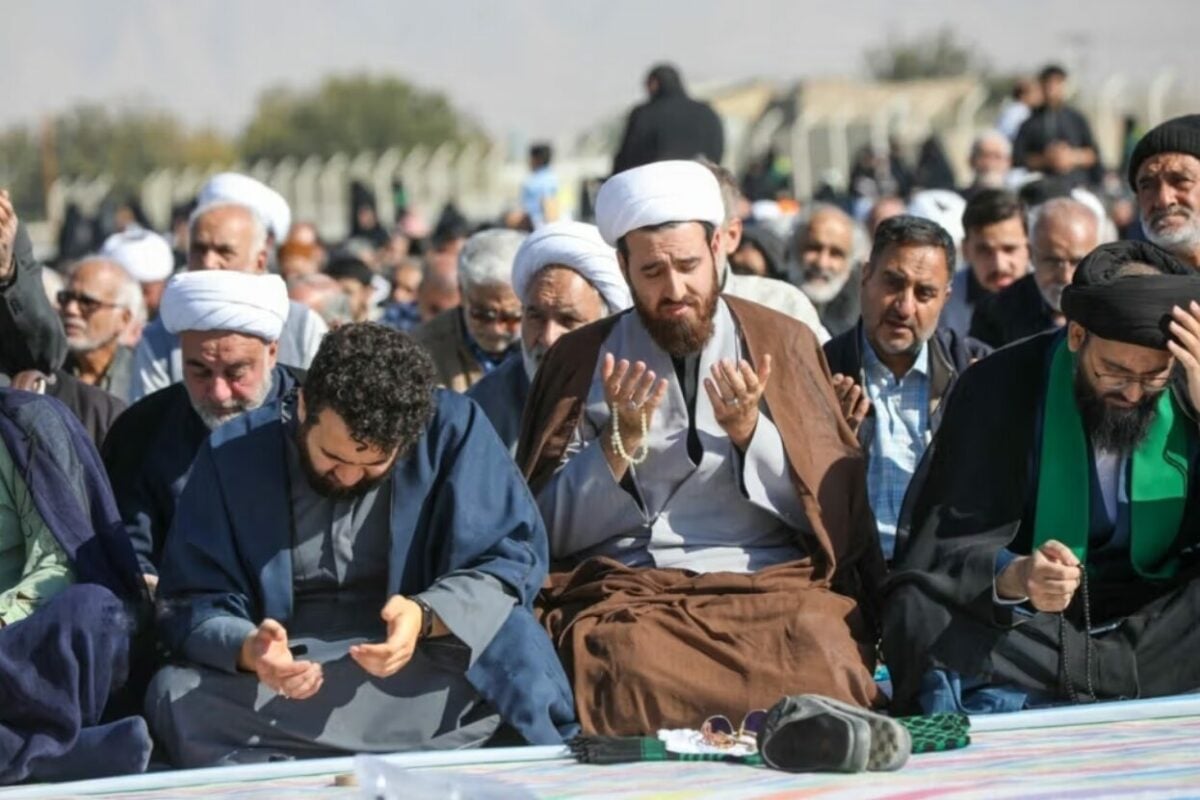
At the urging of clerics, special prayer gatherings were organized to ask for rain.