
In an era of widespread disinformation, libraries can adopt a new mission: serving not just as repositories of books but also as spaces for knowledge exchange, critical thinking, and discussions about media literacy.
As part of the concept of combating disinformation, media centres are being established in libraries, physical and ideological spaces, thanks to which libraries will become active participants in the process.
What is a media centre in a library? How does it change the library environment and the roles of the employees? We discussed this with those at the forefront of these changes.
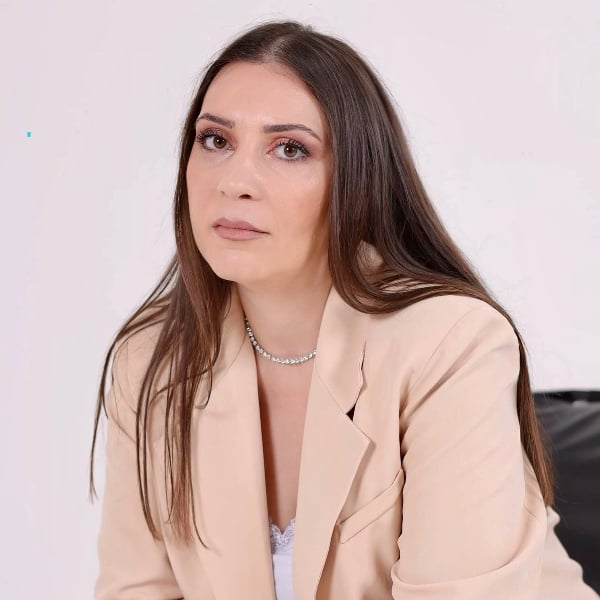
Shushan Grigoryan
Shushan Grigoryan
Head of the Reading Hall of the Vardges Petrosyan Gegharkunik Regional Library
We established a media centre in our library about three years ago. Our staff, including myself, have undergone training and participated in media literacy courses, and we now conduct our own courses within the library.
We share our knowledge with library patrons and visit schools to discuss topics that interest them.
Throughout this work process, we identified a key issue: people often struggle to determine which books are reliable and which are not. This concern is particularly raised by teachers, who frequently ask whether a specific methodological guide is a trustworthy source. Understanding this distinction is essential for them to decide whether to utilize the guide or avoid it.
Alongside establishing media centres, we also launched the Koha online catalogue. This shift towards a digital format transformed our work and improved our relationship with readers. Now, people can search for books from home, check their availability, and come to pick them up. If a book isn’t available at our library, they can see which other libraries have it. The system was not fully developed before, but it is now fully functional.
The reader’s attitude towards the library has also changed; now they demand more from us than just books. They expect conversations, courses, discussions, and we conduct training. The library has stopped being a place for borrowing and returning books. We have managed to do more.

Mariam Abrahamyan
Mariam Abrahamyan
Operator-librarian of the Vayots Dzor Regional Library
There are e-book readers in the media centre of our library. We have taken materials on media literacy from the media.am, and the MIC website, which we have printed and presented. We also hold discussions for students from schools and colleges. We have a reading room where we hold lectures for small groups, not only theoretical, but also practical (we reinforce knowledge through games).
Children really enjoy the Tsantsar game, which helps us distinguish between true and false facts. I must admit, children are pretty adept at identifying falsehoods; they are interested in the topic and often conduct their own research. They ask thoughtful questions, and we strive to deepen our knowledge daily so we can effectively address their inquiries.
When we first established the media centre, we introduced e-readers, anticipating significant demand. However, we soon realised that many readers prefer traditional paper books. Despite offering electronic versions of books in PDF formats, the preference for paper remains strong among our users.։
We need computers for the reading room. If we had at least three computers, the children would be more connected to the library. They want to write essays and complete their homework, but we currently don’t have computers available for them to use on-site. Having these resources would allow them to read and write more effectively.

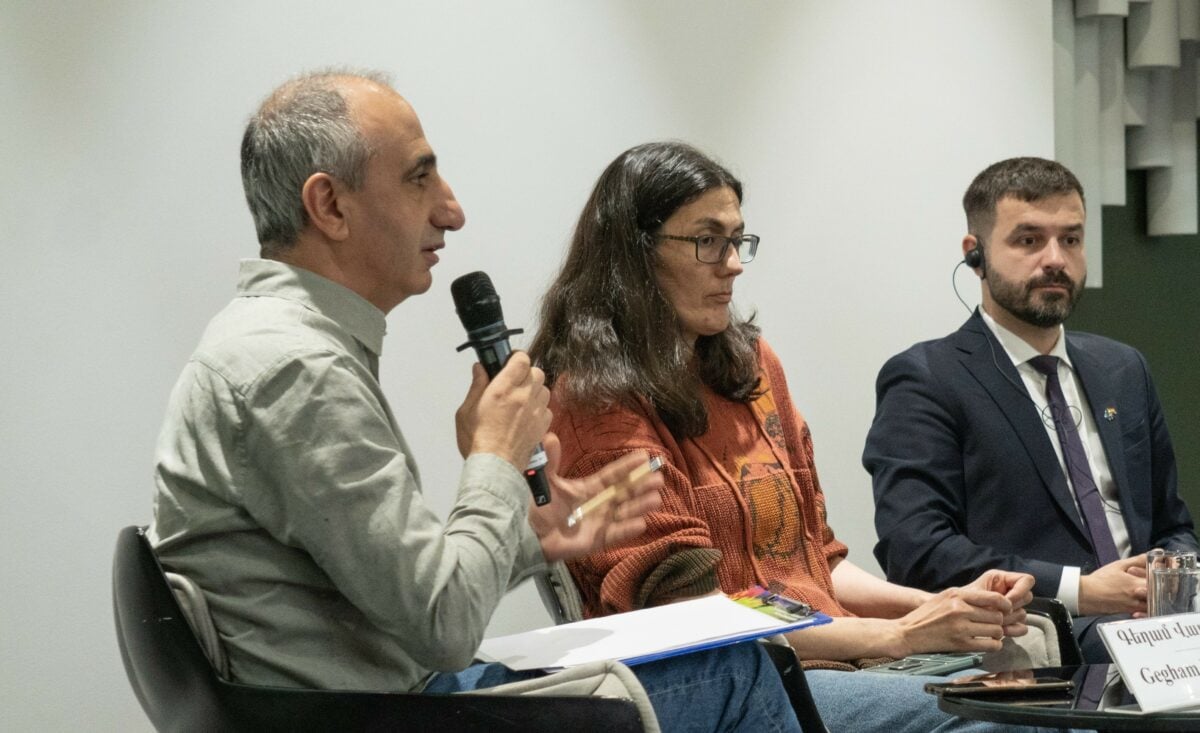
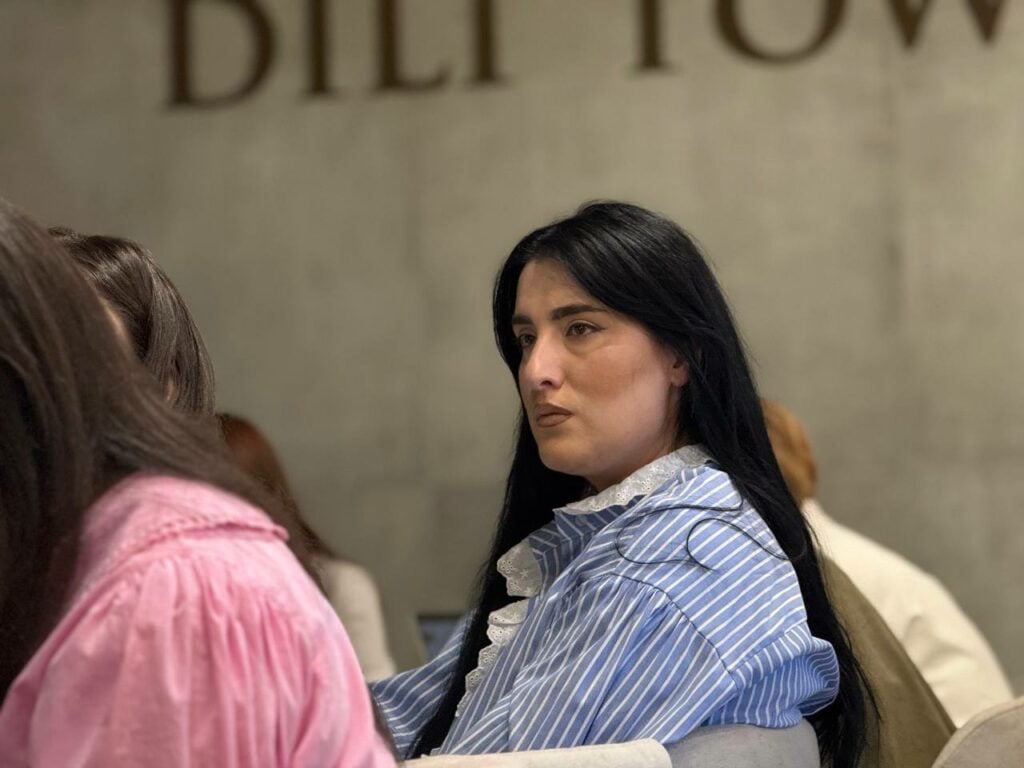
from left: Nelly Aghabekyan
Nelli Aghabekyan
Head of the preservation, processing, acquisition, and bibliographic work department of the Kotayk regional library.
Our library is equipped with computers, e-readers, and a projector and can host events in the media centre. We plan to conduct a needs assessment to determine what is needed to create a media corner that enhances our visitors’ experience and makes it more engaging and complete.
I want to highlight that we have previously been interested in media literacy. We have conducted small discussions and conversations with library readers on this topic and even played the game Mediabattle. Now, we are excited to have the opportunity to engage more actively in discussions about media literacy within the media centre.
I would like more frequent training sessions to be organized for library employees, who are part of the information field, so that they can help us keep our finger on the pulse. In today’s fast-paced world, as soon as you learn about one technique for spreading disinformation, a new one emerges. We must equip ourselves with the knowledge to explain these issues to others, especially seniors. They need assistance distinguishing between fake and real information and identifying reliable sources from unreliable ones.
If we have additional materials related to the topic, such as films and reports, we would like to present them as well. We can organise screenings, and I am confident that they will be better received.
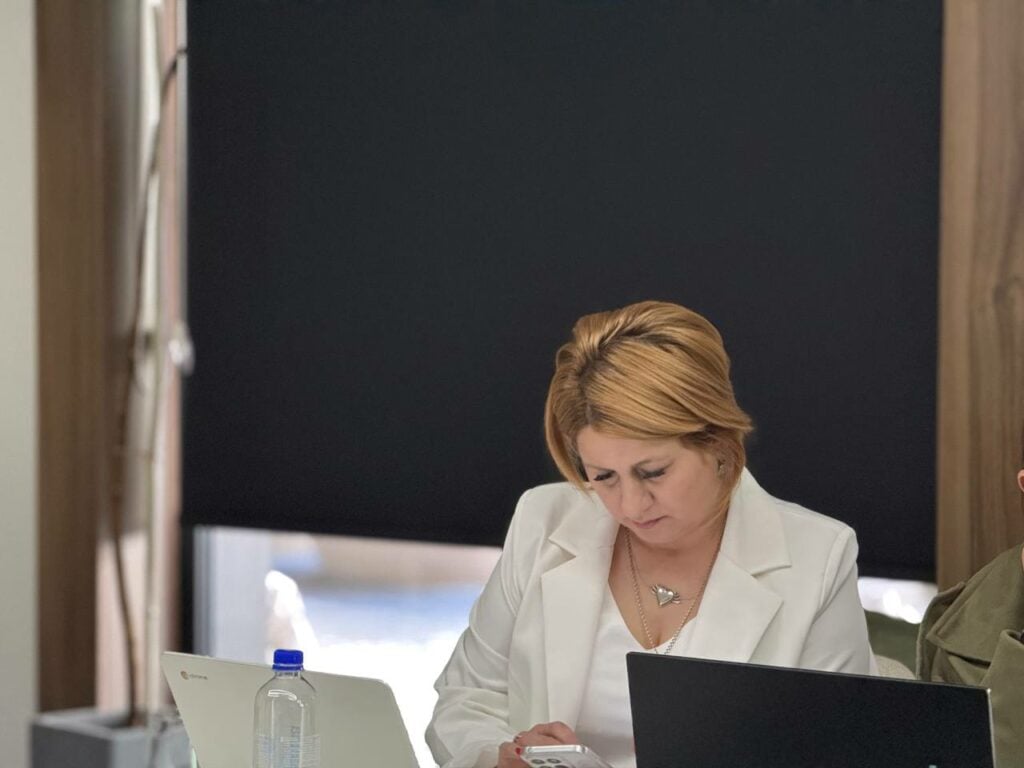
Nune Sarukhanyan
Nune Sarukhanyan
Coordinator of the American Corner of the Syunik Regional Library
Since the establishment of the media centre, we have conducted four media literacy courses. We also plan to invite a media literacy expert to lead a course for library employees, allowing us to enhance our skills and acquire new knowledge.
We work with schools to invite children to the library for conversations and discussions. Since the children are already studying a relevant subject in school, they come prepared with knowledge on the topic. They visit the library to explore more in-depth analyses; however, we currently lack literature on the subject.
We have no technical problems; the library is well-equipped with the necessary supplies, but we lack thematic literature, as I said.
Our workload has increased, but our salary has remained the same. Despite this, we continue to do our jobs with love and without complaints, striving to be helpful to our readers. In Kapan, families without computers or Internet access come to the library to stay up to date on the news. We also have elderly visitors who cannot navigate websites; they come to us for help reading the news and watching videos.